Toyota Camry
48 Lakh*

 Ishita Sharma 2026-04-13

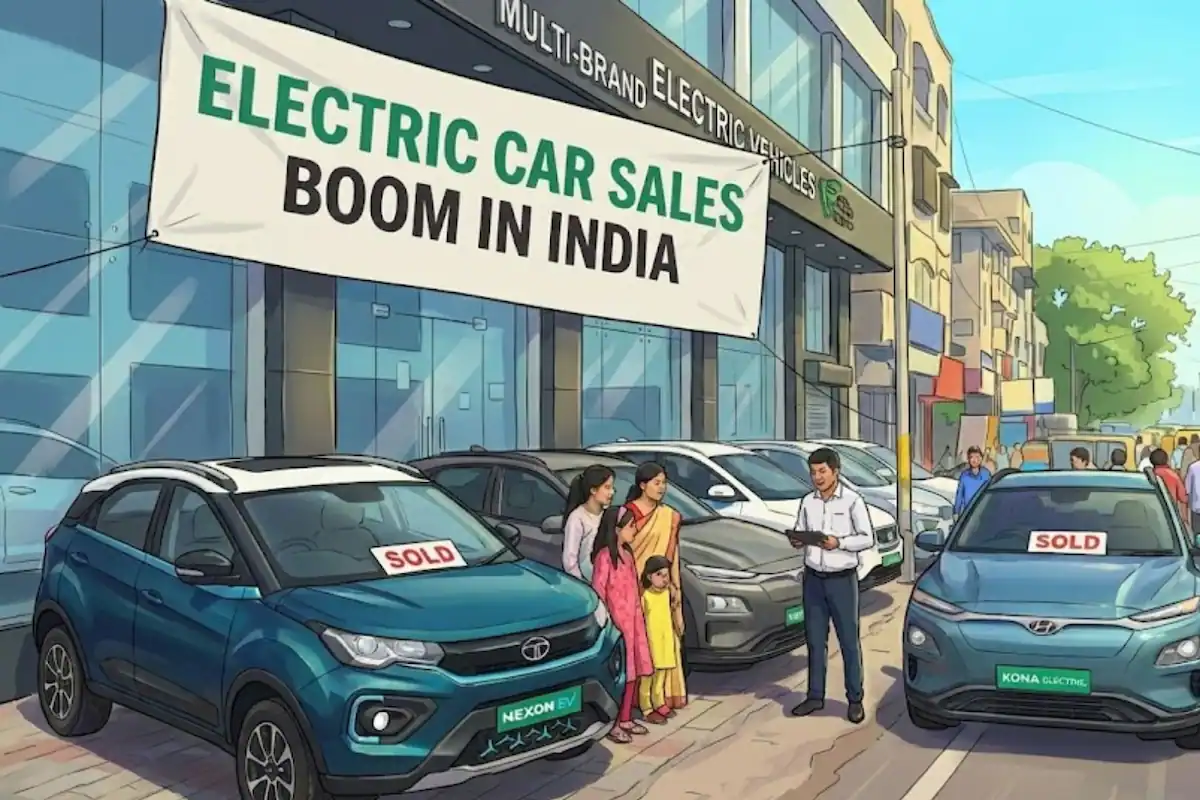
India’s electric passenger vehicle segment witnessed robust growth in FY2026, driven primarily by key players such as Tata Motors, MG, and Mahindra. At the same time, new entrants including Vinfast, Maruti Suzuki, and Tesla India also played a role in boosting overall sales volumes.
According to figures published by the Federation of Automobile Dealers Associations (FADA), electric car retail sales surged by 83.63% in FY2026, totaling 1,99,923 units, up from 1,08,873 units in FY2025. Although the segment fell just short of crossing the 2 lakh mark, it continues to stand out as one of the most rapidly expanding segments in India’s automotive industry.
|
Sr. no. |
FY 2026 |
FY 2026 |
FY 2025 |
Difference |
|
1 |
78811 |
57994 |
20817 |
|
|
2 |
JSW MG |
53089 |
30569 |
22520 |
|
3 |
42721 |
8426 |
34295 |
|
|
4 |
Hyundai |
5885 |
2477 |
3408 |
|
5 |
BYD |
5361 |
3481 |
1880 |
|
6 |
KIA |
3738 |
418 |
3320 |
|
7 |
3537 |
1580 |
1957 |
|
|
8 |
Vinfast |
2390 |
0 |
2390 |
|
9 |
Maruti |
1416 |
0 |
1416 |
|
10 |
1047 |
1157 |
-110 |
|
|
11 |
Citroen |
576 |
2013 |
-1437 |
|
12 |
Volvo |
382 |
403 |
-21 |
|
13 |
Tesla |
342 |
0 |
342 |
|
14 |
Others |
628 |
355 |
273 |
|
|
Total |
199923 |
108873 |
91050 |
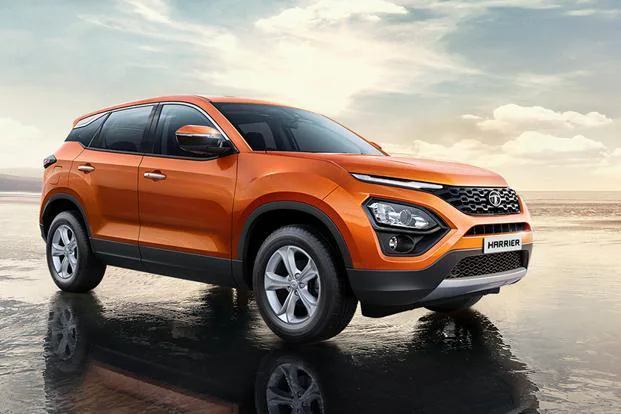
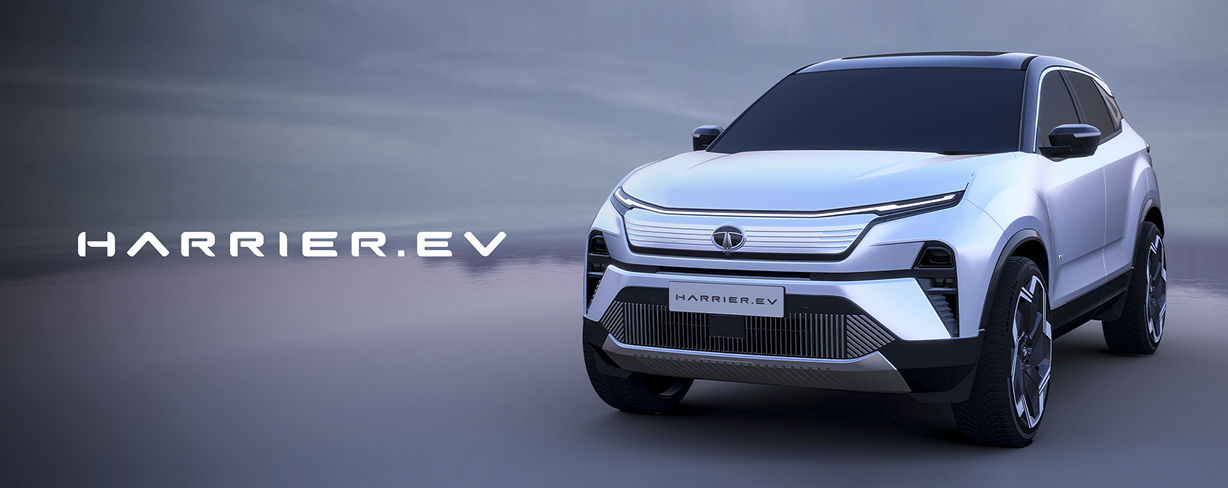
Tata Motors continued to lead the segment, supported by its strong lineup featuring the Nexon EV, Punch EV, and the recently launched Harrier EV. The company posted retail sales of 78,811 units in FY2026, marking a 35.90% growth compared to 57,994 units in FY2025.
MG Motor ranked second with sales of 53,089 units, reflecting a 73.67% increase from 30,569 units in the previous year, supported by models like the Windsor EV and Comet EV. Meanwhile, Mahindra recorded the highest growth among leading players, with its EV sales soaring by 407.01% to 42,721 units, up from 8,426 units in FY2025. This sharp rise was mainly driven by its new “Born Electric” SUV range, including the BE 6 and XEV
Mahindra Sales Breakup Mar 2026
Hyundai also posted solid growth, with sales climbing to 5,885 units from 2,477 units in the previous year, while BYD India registered a 54.01% increase, reaching 5,361 units. Kia India recorded the highest percentage growth in the segment at 794.26%, with sales rising to 3,738 units, largely driven by the Carens Clavis EV introduced in 2025.
In the luxury EV segment, BMW India emerged as the leader with sales of 3,537 units, registering a 123.86% rise compared to 1,580 units in FY2025. On the other hand, Mercedes-Benz India witnessed a decline in its EV sales, with volumes falling to 1,047 units from 1,157 units in FY2025, reflecting a 9.51% drop. The company’s market share also saw a notable reduction during this period.
Vinfast, a new entrant in the market, added 2,390 units after launching its VF 6 and VF 7 models. The company is also gearing up to expand its portfolio with the soon-to-be-launched VF MPV 7. Meanwhile, Maruti Suzuki made its entry into the EV segment, registering sales of 1,416 units in FY2026.
Tesla India marked its entry on a modest scale, contributing 342 units to the overall sales figures. In contrast, Citroen experienced a significant decline, with sales dropping 71.39% to 576 units from 2,013 units in the previous year. Volvo also reported a slight decrease of 5.21%, recording sales of 382 units. Meanwhile, other manufacturers in the segment together accounted for 628 units in FY2026, reflecting a 76.90% increase compared to 355 units in FY2025.
.webp)